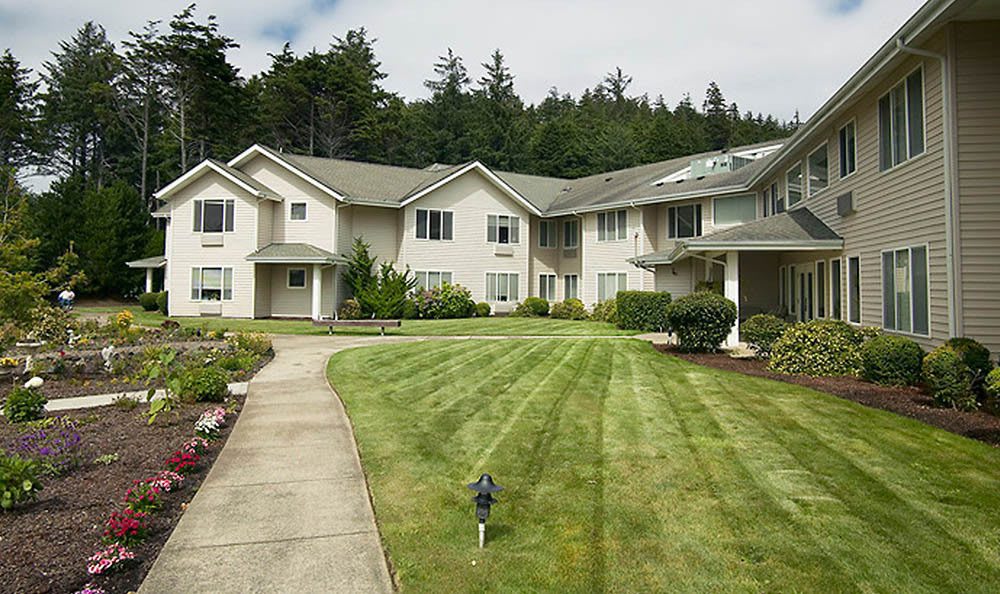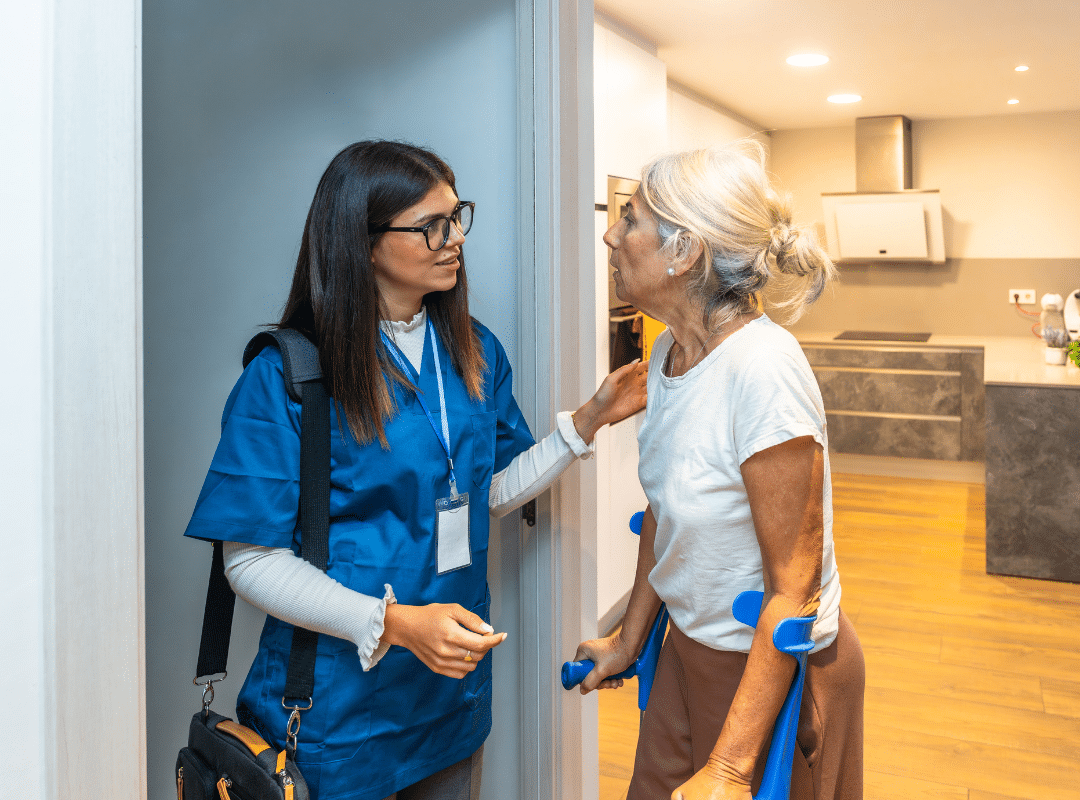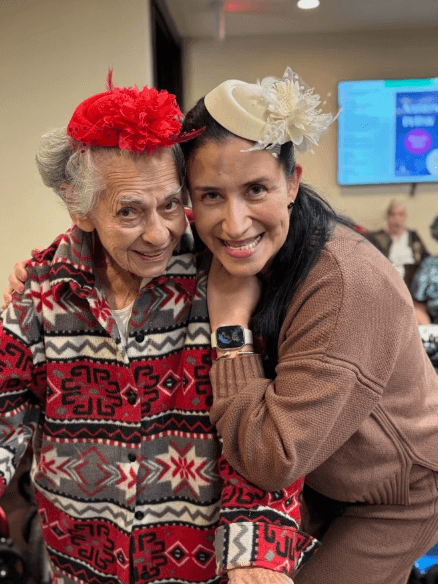


Step Into Westmont Living®

Discover the Benefits of Independent Living Apartments

If you’re exploring options that blend freedom, comfort, and community, independent living apartments could be the perfect solution. These communities cater to seniors who wish to maintain autonomy while benefiting from amenities and services that support a hassle-free lifestyle.

At Oceanview Senior Living, independent living means more than just a place to stay. It means access to a warm, welcoming environment where residents thrive through social connections, engaging activities, and peace of mind. Whether you seek companionship, security, or simply less home maintenance, independent living offers a pathway to a more fulfilling chapter.

Explore more at Oceanview Senior Living.

Understanding Independent Living

When you hear “independent living,” think of vibrant communities designed for active seniors who desire maintenance-free lifestyles. These communities offer amenities like restaurant-style dining, housekeeping, and enriching social activities. Residents experience the joys of freedom without the stress of daily chores.

Many testimonials highlight the positive impact of living in such communities. Individuals appreciate the sense of autonomy, access to caring staff, and ease of integration. With services aimed at reducing burdens, seniors can focus on hobbies, socialization, and overall well-being.

Additionally, modern and luxurious amenities play a major role in enhancing satisfaction. These features include wellness programs, fitness centers, libraries, and outdoor spaces to enjoy the fresh air and coastal views.

Types of Independent Living Facilities

There is no one-size-fits-all when it comes to independent living apartments for rent. From intimate apartment complexes to expansive continuing care communities, seniors can select from options that meet their unique preferences.

Facility Types Overview

Here are some of the most common types:

  1. Independent Living Communities – Maintenance-free apartments with communal services.
  2. Retirement Homes – Ideal for those seeking community with additional freedom in housing types.
  3. Senior Apartments – Age-restricted residences with social spaces.
  4. Continuing Care Retirement Communities (CCRCs) – Offer evolving care as residents’ needs change.

Learn more about different senior housing choices to make an informed decision.

Housing Options Comparison

It’s essential to compare facilities to find your best match. Whether you’re searching for independent living apartments near you or across the country, key factors include:

  • Cost and affordability
  • Available amenities
  • Staff support and safety features
  • Community culture

Affordable communities like those at Westmont Living make it possible to access affordable independent living for seniors. Their guidance in navigating affordability helps many find their dream lifestyle within budget.


independent living apartments​


Assessing Your Suitability for Independent Living

Is this lifestyle the right fit for you? Reflect on your ability to manage daily tasks independently, your interest in social engagement, and your desire for less home maintenance. The right environment should promote autonomy while providing safety and comfort.

Explore various retirement community options to assess alignment with your personal goals.

Lifestyle Independence Considerations

Ask yourself:

  • Do you struggle with home upkeep?
  • Do you want more social interaction?
  • Can you move around comfortably?
  • Do you still want to live independently?

These questions are crucial in identifying whether independent living apartments are ideal for your needs.

Social Engagement Importance

Friendship and interaction are key to a joyful life. Independent living communities offer numerous chances to connect, including:

  • Fitness classes
  • Holiday events
  • Cultural outings

This consistent interaction enhances emotional well-being and gives residents something to look forward to every day.

Mobility and Accessibility Needs

An essential part of transitioning into independent living is ensuring your mobility needs are met. Communities must offer:

  • Ramps, elevators, and wide doorways
  • Bathroom safety features
  • Proximity to healthcare providers

These elements are part of the independent living facility requirements and ensure a safe environment for residents.

Navigating the Transition to Independent Living

Moving from a long-time home can be emotional, but it’s also an exciting opportunity. Ease your transition by:

  • Packing early and sorting essentials
  • Attending events to meet neighbors
  • Decorating your new space to feel like home

Support from family, staff, and fellow residents plays a vital role in making the transition smooth. It helps transform nervousness into eagerness for the new experiences ahead.

Factors to Consider When Choosing a Facility

To find a place that truly feels like home, weigh the following:

  • Facility amenities like pools, gyms, and dining options
  • Community atmosphere
  • Location for access to loved ones and services
  • Accessibility features for long-term comfort

Comparing these attributes across independent living apartments for rent will guide you toward the best fit for your lifestyle.

Resources for Support and Community Engagement

Support systems enrich your independent living experience. Take advantage of:

  • Local senior centers
  • Public libraries offering activities
  • Life enrichment programs within the facility

External organizations like the National Council on Aging and the Eldercare Locator provide valuable tools and resources. Engage regularly with staff and join group events to maintain a vibrant and fulfilling life.

Your Next Chapter Starts Here

If you’re ready to enjoy freedom without sacrificing community, independent living apartments at Oceanview Senior Living are an excellent choice. With resort-style amenities, engaging events, and compassionate staff, you’ll feel at home right away.

Whether you’re looking for independent living apartments near you or simply seeking a better quality of life, Oceanview Senior Living offers solutions tailored to your goals. Our focus on affordable independent living for seniors and adherence to essential independent living facility requirements ensures that every resident receives the care and comfort they deserve.

Learn more by visiting Oceanview Senior Living or schedule a tour today!

Call us at 541-574-0550 to speak with a friendly representative and begin your journey toward independent, joyful living.


Compare The Costs of Senior Living vs Staying at Home

How Do The Costs Of Moving Into A Quality Senior Care Community Compare With The Costs Of Staying At Home?


Frequently Asked Questions

How much does independent living cost us?

The cost of independent living in the U.S. varies depending on location, amenities, and the level of services provided. On average, monthly costs range from $1,500 to $4,000. Urban areas or communities with luxury services may charge more. It’s important to compare different communities and understand what’s included in the pricing, such as meals, housekeeping, or recreational activities.

How many centers for independent living are there in the US?

There are over 400 Centers for Independent Living (CILs) across the United States. These centers are community-based, nonprofit organizations that support individuals with disabilities to live independently. They provide services such as advocacy, skills training, peer support, and transition assistance. Each CIL is consumer-controlled, meaning people with disabilities make up the majority of the board and staff.

What is an independent living thing?

Independent living refers to a lifestyle and housing option for older adults or individuals with disabilities who can manage daily tasks without constant assistance. It emphasizes freedom, autonomy, and a supportive environment that may include amenities like housekeeping, meals, and social events. This concept is also linked to the broader philosophy that people should have the right to live with dignity and control over their own lives. Independent living is not the same as assisted living or nursing care.

What is another name for independent living?

Another common name for independent living is a “retirement community” or “senior apartment community,” especially when referring to older adults. For individuals with disabilities, terms like “supported living” or “community living” may also be used. These names highlight the focus on autonomy and community involvement. While the terminology varies, the goal remains the same—promoting independence and quality of life.


Celebrating Centenarians Day: Honoring Our Remarkable Residents Across Our Communities

On September 22nd, we celebrate the first day of fall along with joining people around the world in celebrating Centenarians Day. It’s a special occasion dedicated to honoring those who have reached the incredible milestone of 100 years or more. This day is not only about celebrating longevity, but it’s about cherishing the wisdom, history, and enduring presence of centenarians in our lives.

Across all of our Communities, we are honored to have 24 extraordinary residents who are 100 years young and beyond, including 13 who have surpassed the century mark. Each one of them is a living connection to history, carrying with them stories that span a century of experiences, triumphs, and memories. Their journeys remind us of the resilience of the human spirit and the beauty of a life well-lived.

What Centenarians Day Means

  • Celebrating Longevity: Reaching 100 years is a remarkable achievement, a testament to strength, perseverance, and vitality.
  • Honoring Wisdom and History: Our centenarians are storytellers of times past, offering invaluable lessons, insights, and a bridge between generations.
  • Gratitude for Contributions: We celebrate not just their years, but their lifelong contributions, impacting families, communities, and the world in meaningful ways.

On this day, we encourage our centenarians, along with all our Residents, to continue to Live Your Way®. At Westmont Living, Live Your Way® means embracing life on your terms—with your style, your choices, and your passions. The legacies of our centenarians inspire us to live with gratitude, purpose, and joy each day.

To our 24 centenarian residents, thank you for your wisdom, your stories, and your shining example of resilience. Today and every day, we celebrate you.


Centenarians 2025

Lakeview Senior Living
William Walton – Born 1924 – Age 101
Westmont of Chico
Hope Heintz – Born 1924 – Age 101
Evelyn Penick – Born 1925 – Age 100
Dave Elliotte – Born 1924 – Age 101
Barbara Carney – Born 1923 – Age 102
Westmont of Escondido
Iris Wicks – Born 1923 – Age 101
The Oaks at Nipomo
Erving Morlee – Born 1924 – Age 100
Westmont at San Miguel Ranch
Maria Escarcega – Born 1925 – Age 100
Walter “Walt” Travis – Born 1924 – Age 101
Gracie Hill – Born 1925 – Age 100
Westmont of Brentwood
Bettye Sturla – Born 1925 – Age 100
Geraldine Baker – Born 1923 – Age 102
Constance Daniels-Idle – Born 1921 – Age 103
Westmont of Carmel Valley
Dorothy Goo – Born 1924 – Age 101
Westmont of Culver City
Betty Kronick – Born 1921 – Age 103
Westmont of Cypress
Terri Tamaru – Born 1925 – Age 100
Westmont of Encinitas
Beverly Evans – Born 1924 – Age 101
Rose Chang – Born 1924 – Age 100
Peter Sanzo – Born 1922 – Age 103
Westmont of Fresno
Vicki Coughlin – Born 1924 – Age 101
Georgia Hobson – Born 1925 – Age 100
Westmont of Morgan Hill
Florence Boyce – Born 1925 – Age 100
Westmont of Riverside
Inez-Blanche Holmes – Born 1922 – Age 102
Lois Wurschinger – Born 1925 – Age 100
Marina Gabus – Born 1920 – Age 105
Harold Platt – Born 1925 – Age 100


Understanding the Qualifications for Assisted Living Facilities

Finding the right assisted living community can feel overwhelming, especially when trying to determine if you or a loved one meets the qualifications for assisted living facilities. It’s not simply about needing a place to live—it’s about understanding the health, functional, and financial requirements that make someone eligible for this supportive lifestyle. Whether you’re researching for yourself or an aging family member, knowing the criteria early can help streamline the process and lead to better outcomes.

At communities like Oceanview Senior Living, residents must meet basic health and care requirements before admission. These qualifications help ensure each person receives proper support while maintaining as much independence as possible. In this guide, we’ll break down the essential details, from health assessments and daily care needs to documentation and potential reasons for denial. We’ll also explore how to qualify for assisted living, who is eligible for assisted living, and how to get into assisted living, while addressing key concerns like common area assisted living and more.

Health and Functional Qualifications

To meet the qualifications for assisted living facilities, prospective residents typically need help with at least two activities of daily living (ADLs), such as bathing, grooming, or medication management. These ADLs serve as a universal metric for determining who is eligible for assisted living. Facilities like Oceanview Senior Living assess whether a person can function with minimal supervision and participate safely in a community setting.

A stable health condition is also required. If you can manage chronic diseases like diabetes or hypertension with predictable routines, you’re likely to meet the qualifications for assisted living. However, severe memory impairments or continuous medical interventions may redirect care needs to a skilled nursing facility. Learn more about maintaining stability with chronic conditions here.

Eligibility: Who Can Qualify?

One of the most frequently asked questions is how to qualify for assisted living. The eligibility criteria include:

  • Requiring regular help with ADLs.
  • Demonstrating a stable medical condition.
  • Being mentally alert enough to engage in daily tasks and social activities.
  • Having the ability to move with or without minimal assistance.

Facilities also consider behavioral health. Individuals who display disruptive behaviors or require psychiatric care may not be a good fit. Understanding how to get into assisted living involves more than just need—it includes demonstrating that the facility is capable of supporting your needs safely.

For more detailed preparation, families can review questions to ask during a tour to align expectations.

Common Area and Social Integration

A crucial part of assisted living life is participation in common areas in assisted living settings, where residents engage in meals, recreation, and social activities together. These communal areas promote interaction, mental stimulation, and a sense of belonging.

Being eligible often means you’re physically and cognitively able to take part in these group settings. Facilities assess how well prospective residents interact socially and whether they can handle the level of independence expected in these shared environments.

Social integration also supports emotional wellness, which is a significant factor in aging successfully. Seniors who remain socially active tend to experience slower cognitive decline and fewer depressive symptoms.

Admission Process and Documentation

After confirming eligibility, the next step in how to get into assisted living is navigating the admission process. This involves:

  • Submitting medical records and history.
  • Undergoing a physical or functional assessment.
  • Collaborating with a physician to create a care plan.
  • Reviewing financial documents or insurance verification.

Having all your paperwork ready can accelerate your move-in timeline. Communities like Oceanview encourage prospective residents to come prepared, especially when determining who is eligible for assisted living. Read about when it’s time to consider professional assisted living for further insight.

When Admission is Denied

Even if a resident meets some of the qualifications for assisted living, some scenarios may result in denial. These include:

  • Advanced dementia or Alzheimer’s needs 24/7 supervision.
  • Uncontrolled aggressive behavior or psychiatric conditions.
  • Bedridden status or dependence on medical machinery.
  • Complex care needs beyond the facility’s capabilities.

Understanding why admission can be denied can help set realistic expectations. In some cases, it may be more appropriate to explore skilled nursing or memory care. Learn how personalized care planning plays a role in determining fit.


qualifications for assisted living facilities


Tailored Amenities and Care Plans

Once accepted, residents benefit from customized care designed to support their independence. Facilities offer services like:

  • Daily housekeeping
  • On-site dining
  • Transportation
  • Wellness programs
  • Medication management

Most importantly, care plans are created based on the initial health assessment. These are reviewed regularly to ensure they reflect the residents’ evolving needs. Facilities like Lakeview Assisted Living provide detailed service offerings that enhance comfort and quality of life.

The qualifications for assisted living facilities are directly linked to the level of support a person will receive. The better the fit, the more likely the resident is to thrive in their new environment.

Financial Considerations and Medicaid Options

In addition to health qualifications, financial eligibility plays a critical role in determining how to qualify for assisted living. Many families wonder how to get into assisted living if funds are limited.

Fortunately, there are Medicaid waiver programs available in many states that help offset costs. These programs vary by state, but typically require:

  • Income and asset verification
  • Medical necessity documentation
  • Use of an approved facility

You can find more about how Medicaid supports long-term care by visiting Medicaid.gov or exploring elder care resources at NCOA.

Why Qualifications Matter

Establishing eligibility ensures that the assisted living facility can meet the specific needs of each resident. It also promotes a safe, healthy, and engaging environment for all. Being proactive in understanding the qualifications for assisted living increases your chances of a successful transition and long-term satisfaction.

Whether you’re evaluating how to qualify for assisted living, trying to understand who is eligible for assisted living, or simply curious about common area assisted living, it all starts with knowing what the facility expects and what you truly need.

Ready to Take the Next Step?

Knowing the qualifications for assisted living facilities is just the beginning. Taking action now can help ensure you or your loved one receives the right level of care at the right time. With a stable medical condition, a bit of planning, and the right support, assisted living can provide a vibrant and secure lifestyle.

If you’re ready to learn more, schedule a tour at Oceanview Senior Living or call 541-574-0550. Discover how assisted living can offer safety, independence, and peace of mind all in one supportive community.


Find Where You Belong

Dive into the vibrant life our Westmont communities have to offer.


Frequently Asked Questions

Which person would most likely qualify to live in an assisted living community?

A person who needs help with daily tasks like bathing, dressing, or medication management but does not require constant medical care would most likely qualify. Typically, these individuals can still maintain some level of independence. Assisted living is ideal for seniors who want a supportive environment with added safety and social opportunities. Each facility may have specific criteria based on state regulations and care assessments.

What is the lowest level of assisted living?

The lowest level of assisted living is often referred to as Level 1 or basic care. It includes minimal support such as help with housekeeping, meal preparation, and reminders for medications. Residents in this category are mostly independent but benefit from having staff nearby. Services at this level are primarily focused on convenience and safety rather than intensive personal care.

What is the minimum age for assisted living?

The typical minimum age requirement for assisted living is 55 or older, depending on the facility. Some communities may set the age limit at 60 or 62. However, exceptions can be made for younger individuals with disabilities who require similar care. Always check with the specific facility for its eligibility guidelines.

What is a care plan for assisted living facilities?

A care plan is a personalized document that outlines the resident’s medical needs, daily routines, and required assistance. It’s developed with input from healthcare professionals, the resident, and their family. The plan ensures that staff provide consistent and appropriate care tailored to the individual. It’s reviewed regularly and updated as health needs change.

Who are the most residents in assisted living?

Most residents in assisted living are seniors aged 75 and older who need help with daily living activities. Many have chronic health conditions like arthritis, diabetes, or mild cognitive impairment. They typically seek a blend of independence and support in a safe, social environment. Women make up the majority of the assisted living population.


7 Tips to Embrace Independent Living for Seniors

Embracing independence is a vital goal for many older adults who wish to maintain control over their daily routines and personal choices. Independent living seniors benefit from environments that support autonomy, while still offering access to services that enhance safety and well-being.

Whether you’re looking for more freedom or transitioning from a care-focused setting, understanding how to live independently with confidence is key. With supportive communities like Oceanview Senior Living, achieving this goal becomes more attainable than ever.

Maintaining Physical and Mental Health

To live independently, seniors must prioritize physical and mental well-being. Regular exercise enhances mobility, strength, and balance, reducing fall risks and supporting day-to-day function. Proper nutrition, consisting of lean proteins, whole grains, and colorful vegetables, fuels the body and sharpens cognition.

Mindfulness and meditation practices help regulate stress, while cognitive games stimulate memory and attention. Staying active in community activities adds an emotional lift and strengthens social bonds.

For those seeking holistic wellness, explore fitness and wellness programs that cater to independent living seniors.

Creating a Daily Routine

A structured daily routine enhances productivity and emotional balance. Independent living seniors thrive when they can plan their days around consistent meals, exercise, hobbies, and social interaction.

Establish Regular Meal Times

Creating consistency with meals ensures proper nutrition and helps regulate metabolism. It’s also a great way to bring rhythm and companionship into your day. Dining experiences can be a key social activity, as highlighted in the heart of social interaction.

Meal Time
Breakfast 8:00 AM
Snack 10:00 AM
Lunch 12:30 PM
Snack 3:00 PM
Dinner 6:00 PM

Schedule Exercise Sessions

Scheduling physical activity can elevate mood and maintain physical independence. Aim for at least 150 minutes per week of moderate exercise. Include walking, yoga, or light strength training, and don’t forget to consult a healthcare provider before starting.

Get inspired by fun and engaging fitness activities that keep you moving joyfully.

Include Social Activities

Staying socially engaged is a core part of independent living for seniors near you. Regular community activities, volunteer work, or creative hobbies help foster friendships and purpose.

Participate in group recreation and games that align with your interests.


Healthy Eating Habits for Seniors

Simplifying Household Chores and Ensuring Safety

A safe, manageable environment is central to the independent living seniors experience. Declutter spaces to reduce tripping hazards and consider hiring help for routine cleaning.

Install safety modifications like grab bars in the bathroom and ensure all hallways are well-lit. Use assistive devices like reachers or non-slip mats to help with everyday tasks. Developing an emergency plan—with medical contacts, alert systems, and essential supplies—is a vital step in meeting independent living facility requirements.

Staying Connected and Engaged

Isolation can affect emotional and mental well-being. Regular social interaction boosts morale and helps maintain independence.

Building Social Connections

Attend social events, volunteer, and engage in local groups. These activities strengthen your support system and provide meaning in your day-to-day life.

Action Benefit
Attend Events Make new friends
Volunteer Give back, stay engaged
Join a Club Share common interests
Stay in Touch Deepen personal relationships

Pursuing Hobbies and Interests

Creative expression—whether through painting, gardening, or music—enhances self-esteem and emotional resilience. Many independent living for seniors near you communities host hobby clubs or classes, helping you continue doing what you love.

For those exploring new passions, online platforms like Senior Planet offer courses tailored to older adults.

Financial Planning and Management

Budgeting is essential for aging in place successfully. Begin with a clear breakdown of income sources like pensions, social security, and retirement savings. Prioritize essential costs—such as housing, healthcare, and food—before allocating for discretionary spending.

Tracking expenses helps you identify areas where you can save or reallocate funds. Explore discount programs for seniors and ask your pharmacist or healthcare provider about more affordable prescription options. With the right plan, you can sustain the lifestyles of independent living seniors without financial stress.

Accessing Resources for Assistance

While independence is the goal, accessing support is wise and often necessary. Local agencies, nonprofits, and senior living communities offer resources such as:

  • Meal delivery services
  • Home health aides
  • Transportation programs
  • Senior centers with social and fitness programs

The National Council on Aging is a great starting point for learning what’s available in your area.

Using these services doesn’t diminish your independence—it reinforces it by helping you manage daily life efficiently.

Pursuing Hobbies and Interests

Adapting to Age-Related Changes and Exploring Levels of Care

As physical and cognitive changes occur, it’s important to adapt proactively. Tools like memory aids, hearing devices, or mobility supports can bridge the gap and promote continued autonomy.

Understanding what independent living is for persons with disabilities helps highlight the flexibility of such communities. These settings are designed to empower individuals while accommodating varied levels of ability.

When more care is needed, exploring other supportive options—like assisted living or memory care—ensures your needs are always met with dignity.

Understanding Facility Requirements and Regulations

Before transitioning, it’s helpful to understand independent living facility requirements. These communities typically do not offer medical care but may provide:

  • Meal services
  • Housekeeping
  • Scheduled transportation
  • Recreational activities

Each state has its own policies regarding independent living for seniors near you, but in general, facilities focus on residents who can care for themselves with minimal assistance.

You may wonder, are independent living facilities regulated? The answer varies. While not as heavily regulated as nursing homes or assisted living, independent living communities are still subject to local housing codes and landlord-tenant laws. Some also voluntarily adhere to accreditation standards from organizations like the Commission on Accreditation of Rehabilitation Facilities (CARF).

To ensure a good fit, research your options, tour multiple communities, and consult with senior living advisors.

A New Chapter of Independence Starts Now

Independent living seniors can experience a vibrant, fulfilling lifestyle that blends freedom with safety and support. By building a strong foundation—through healthy habits, meaningful social engagement, financial awareness, and access to helpful resources—you’re well-positioned to thrive in this stage of life.

Oceanview Senior Living is proud to support older adults on this journey. We invite you to explore our beautiful community and see firsthand how independence can be enjoyed every day. Ready to take the next step?

📞 Call us today at 541-574-0550 or schedule a tour to learn more.


Compare The Costs of Senior Living vs Staying at Home

How Do The Costs Of Moving Into A Quality Senior Care Community Compare With The Costs Of Staying At Home?


Frequently Asked Questions

What is the concept of independent living?

Independent living is a housing option designed for seniors who are able to live on their own but want the convenience of community living. These communities typically offer private apartments or cottages, along with shared services like housekeeping, meal plans, transportation, and social activities. Independent living promotes autonomy while removing the burdens of home maintenance. It’s ideal for active older adults who want to enjoy a vibrant and worry-free lifestyle.

What is the cheapest way for a senior to live?

The most affordable living option for a senior often depends on their health, income, and location. Low-income housing options, such as subsidized senior apartments or government-assisted programs like HUD’s Section 202, can significantly reduce living costs. Some seniors also choose to downsize, live with family, or move into co-housing arrangements to save money. Taking advantage of community programs and local senior services can also help minimize expenses.


Overnight Stays in a Senior Living Community: What to Know

Family involvement is vital to a happy, fulfilling life for older adults. One of the most heartwarming ways to maintain strong family ties is through overnight visits. In a senior living community, these visits can do much more than just offer comfort—they build deeper connections, reduce loneliness, and contribute to a healthier mental outlook for residents.

At Westmont Living, overnight stays are welcomed and encouraged within the bounds of certain policies. These guidelines ensure the experience is safe, enriching, and enjoyable for all. Whether you’re exploring a senior living community near you or planning your first visit, understanding the details and benefits of overnight visits will help you make the most of your time together.

Understanding Overnight Stays in Senior Living Communities

How do overnight visits truly enhance life in a senior living community? The answer lies in the emotional support and shared experiences these visits create. Guests can engage with their loved one’s daily routines, participate in community activities, and witness firsthand the care and lifestyle their family member enjoys. This perspective can deepen understanding and foster trust.

Additionally, visits allow families to create memories and celebrate milestones together. For those seeking a senior living community for rent, this can also be a great way to test the atmosphere and staff compatibility before committing to a more extended stay. Activities such as crafts, group meals, and wellness programs become more meaningful when shared with family. Explore how community activities come to life with family involvement.

Policies and Guidelines for Family Stays

Each senior living community near you may have slightly different policies regarding overnight visits. At Westmont Living, families are asked to provide advance notice to ensure space and safety protocols are respected. This allows the staff to accommodate guests while maintaining the comfort of other residents.

Visitors should expect to review basic safety rules and emergency procedures, especially in senior living community apartments where shared space is a factor. These guidelines help create a respectful and secure environment. Guests are also encouraged to participate in daytime programming, which enhances interaction and makes visits more engaging. Communities like Oceanview offer exceptional care options that can support family stays in a way that feels both personal and professional.

Emotional Benefits of Overnight Visits

One of the most profound advantages of staying overnight in a senior living community is the emotional uplift it brings to residents. Reconnecting over meals, attending events, or simply chatting before bed fosters a powerful sense of closeness. Residents feel loved and supported, which combats feelings of isolation and contributes to long-term happiness.

These benefits are not exclusive to the resident—visiting family members often leave feeling reassured and connected. Whether you’re visiting a senior living community near you for a weekend or staying during a special occasion, your presence brings warmth and familiarity to your loved one’s daily life. Encouraging such visits aligns perfectly with social interaction best practices that improve mental and emotional wellness.

Health and Safety Considerations

Maintaining a safe environment is a top priority for every senior living community, especially during overnight stays. Most communities, including Westmont Living, implement thorough health screening for visitors, including symptom checks and hygiene requirements. This ensures that communal living areas remain protected for all residents.

Clear signage, designated visitor areas, and round-the-clock staff are all part of the safety infrastructure. If a loved one has a medical issue during a stay, trained personnel are immediately available to assist. Residents also benefit from safe medication management, ensuring that treatment routines are not disrupted during visits. Families should always review these protocols before arrival to guarantee a seamless, stress-free stay.

Enhancing Community Life Through Family Involvement

Undoubtedly, residents thrive more fully when surrounded by loved ones. Senior living near you can be a place of care, joy, and celebration. Overnight visits foster meaningful engagement, with families joining in on movie nights, religious services, or wellness classes. These moments boost morale and build a sense of unity within the community.

In fact, the presence of family often inspires other residents and can contribute to a more vibrant and social atmosphere. Whether you’re evaluating independent senior living communities near you or currently living in one, family visits are proven to elevate quality of life. They promote intergenerational bonds and enhance the emotional support system every resident deserves. Learn more about the importance of social connection and how it shapes positive experiences in senior living.


Community Life and Overnight Guests

Choosing the Right Senior Living Community for Your Family

Consider how they approach family inclusion when looking for the right senior living community for rent. Does the community allow overnight stays? Are visitors encouraged to participate in activities? Are there amenities and guest accommodations that make staying overnight comfortable?

Exploring senior living community apartments before deciding gives you a clearer picture of what to expect. Many families also search for independent senior living communities near you that emphasize autonomy while still offering structured support and family-friendly policies. Sites like SeniorLiving.org and APlaceforMom.com are valuable resources for researching communities that align with your family’s needs.

How Overnight Visits Support Transition to Senior Living

Overnight visits can significantly ease the transition to senior living for families. Staying overnight gives loved ones a sense of normalcy and continuity while they adapt to their new environment. This is particularly helpful in senior living near you, where moving in may represent a major life change.

Having family present during the initial adjustment period can reduce stress, answer questions in real-time, and provide emotional grounding. In this way, overnight visits are not just a nice option—they’re a strategic tool to ensure a smooth transition. Communities that embrace this level of support stand out as compassionate, resident-focused options for long-term care and comfort.

Embrace Togetherness in Senior Living Communities

In conclusion, overnight visits in a senior living community like Westmont Living do more than just fill time—they bring people together meaningfully. From emotional bonding to shared activities and better transition support, the benefits are undeniable. Families who visit frequently and stay engaged create stronger, more resilient connections that lift everyone’s spirit.

Remember to ask about overnight policies and visitor involvement if you’re searching for a senior living community near you. Look for communities that celebrate togetherness and provide the support your loved one deserves. For more details, please contact us at 858-456-1233 or visit our website.


Find Where You Belong

Dive into the vibrant life our Westmont communities have to offer.


Frequently Asked Questions

What are the disadvantages of living in a 55+ community?

While 55+ communities offer peace, they may lack age diversity and limit interactions with younger generations. Some residents find the rules and restrictions—like pet limitations or guest policies—too strict. Homeowners association (HOA) fees can also be high, and certain amenities may not suit everyone’s lifestyle. Additionally, medical care may not be on-site in all communities, requiring outside arrangements.

How do senior living communities work?

Senior living communities provide housing and various levels of care based on residents’ needs, from independent living to assisted care. Residents often pay a monthly fee that covers rent, meals, housekeeping, and access to amenities. These communities are designed to support aging adults through social activities, wellness programs, and healthcare services. Each type of community (independent, assisted, or memory care) offers tailored services to match different stages of aging.

Does Medicare pay for assisted living for seniors?

Medicare generally does not cover assisted living costs, as it doesn’t pay for long-term personal care or room and board. It may cover certain medical services provided within an assisted living setting, such as physical therapy or doctor visits. Seniors usually need to pay privately, use long-term care insurance, or qualify for Medicaid to help with costs. Some states offer Medicaid programs that assist with specific services in assisted living communities.


What Causes Elderly People’s Feet to Swell? Key Reasons Uncovered

Swelling in the feet is a common yet often overlooked health concern among older adults. If you’ve ever wondered what causes elderly people’s feet to swell, you’re not alone. This condition can stem from a variety of factors, ranging from circulatory issues to kidney problems, medication side effects, and lifestyle habits.

Understanding and addressing the causes is vital, especially when it comes to the well-being of seniors. Whether it’s managing swelling in an 80-year-old’s swollen feet or learning what to drink to reduce swelling in feet, this guide offers clarity and solutions to improve comfort and mobility.

Visit Oceanview Senior Living to explore personalized senior care options.


Common Causes of Swelling in the Elderly

Swollen feet are common in aging individuals, often due to fluid retention, restricted mobility, or chronic conditions. Among the primary factors behind what causes elderly people’s feet to swell are heart issues, circulatory disorders like venous insufficiency, and kidney dysfunction.

These issues interfere with proper blood flow and fluid balance, leading to puffiness in the lower limbs. In particular, 80-year-old swollen feet may signify deeper underlying health concerns that need prompt attention.

Maintaining healthy skin hydration helps manage symptoms, while daily activity, leg elevation, and compression socks offer preventive care.

Are Swollen Feet Dangerous?

Many seniors ask, Are swollen feet dangerous? The short answer is yes, especially when left unaddressed. Persistent swelling, or edema, may indicate serious problems like congestive heart failure, blood clots, or kidney disease.

Swelling can also increase the risk of skin breakdown, infection, and decreased mobility, further affecting overall quality of life. It’s important to identify the root cause to apply the right treatment for swelling in legs and feet and avoid complications.

Consulting a healthcare provider ensures proper diagnosis and may prevent more serious issues down the road.

Medications and Their Impact on Foot Swelling

A lesser-known but common contributor to swelling is medication. Drugs such as steroids, antidepressants, and calcium channel blockers often cause fluid buildup in the feet.

When exploring what causes elderly people’s feet to swell, review any recent changes to medication, especially if symptoms appear soon after. It’s essential to consult your healthcare provider about side effects and alternatives.

Pairing medical guidance with daily foot elevation and compression gear can ease discomfort. Learn how cold symptoms can interact with medication, and how this may indirectly affect swelling.

Circulatory Issues and Swollen Feet

Poor circulation is a major reason elderly people’s feet swell. Vascular issues like peripheral artery disease and venous insufficiency reduce blood flow, leading to fluid pooling in the feet.

Seniors may notice swelling after prolonged standing or inactivity. Encourage light walking, gentle leg exercises, or stretching to stimulate circulation. Using compression stockings and elevating the legs above heart level can also help.

For those with chronic pain or mobility issues, personalized pain management strategies can support both comfort and functionality.

Heart Conditions Contributing to Swelling

Heart health plays a critical role in fluid balance. Conditions like congestive heart failure directly impact how blood circulates and fluids are processed.

One of the key answers to what causes elderly people’s feet to swell is poor cardiac function. If the heart can’t pump efficiently, fluids build up in the extremities.

Lifestyle adjustments such as reducing sodium, increasing movement, and understanding arthritis management and healthy eating habits can significantly reduce swelling.

It’s crucial to monitor symptoms and work with a provider to manage medications and create a heart-healthy routine.


The Role of Kidney Health in Foot Swelling

The kidneys regulate fluid balance, and dysfunction can lead to excess fluid in the body. Swollen feet are one of the visible signs of kidney issues in older adults.

When kidneys fail to eliminate fluid efficiently, it collects in the lower limbs. This is often overlooked when evaluating what causes elderly people’s feet to swell, yet it’s a key contributor.

Explore how kidney health connects to overall wellness.

Kidney Function and Swelling

In aging adults, compromised kidney function results in poor fluid regulation. Swelling due to kidney problems is a signal to act quickly.

Monitoring kidney function through regular blood and urine tests is essential. Addressing dietary needs, such as reducing salt and staying hydrated, helps support the kidneys’ role in preventing edema.

Fluid Retention Mechanisms

Edema stems from fluid not being filtered properly by the kidneys. This retention causes the feet and ankles to swell, particularly in those aged 80 and up.

To manage fluid retention, hydration is key—yet it’s also important to know what to drink to reduce swelling in the feet. Herbal teas like dandelion root tea and water with lemon are natural diuretics that may support fluid balance.

WebMD – Swollen Feet and Legs offers additional insights into fluid retention causes.

Monitoring Kidney Health

Routine check-ups are vital for seniors, especially those who experience frequent foot swelling. Keep a close eye on swelling patterns, especially if both feet are affected equally.

Healthcare providers may recommend dietary changes and medications that assist with fluid balance and kidney support.

Importance of Proper Foot Care for Seniors

Maintaining foot health isn’t just about comfort—it’s about preserving independence. Older adults should follow a consistent care routine to prevent and manage swelling.

Daily Hygiene Practices

Wash and dry feet thoroughly each day. Apply a moisturizing lotion and inspect for signs of cracks or infections. Well-fitted footwear is essential, as it prevents pressure points that can aggravate swelling.

Daily foot care routines also help detect early warning signs that something isn’t right.

Regular Foot Inspections

Especially for those 80 and older, foot inspections should be part of the daily routine. Look for any changes in color, size, temperature, or new sores. Swelling in one foot versus both can signal different medical issues.

If swelling persists, seek medical guidance right away.

Effective Management Strategies for Swollen Feet

To manage foot swelling effectively, take a multi-pronged approach:

  • Lifestyle changes: Elevate feet during rest, walk daily, and stretch regularly.
  • Compression wear: Use stockings to improve blood flow.
  • Hydration and diet: Drink hydrating fluids like cucumber-infused water or herbal teas—great examples of what to drink to reduce swelling in feet.
  • Medication review: Identify any prescriptions causing side effects.
  • Medical care: Consult professionals for long-term strategies or treatment for swelling in legs and feet that may involve diuretics, physical therapy, or even surgery in advanced cases.

Healthline – How to Reduce Leg Swelling provides a comprehensive list of treatments and prevention tips.

Take Control of Swollen Feet in Seniors

Understanding what causes elderly people’s feet to swell is the first step in creating a safe, comfortable, and mobile lifestyle for seniors. Whether you’re caring for someone with 80-year-old swollen feet or experiencing symptoms yourself, proactive measures can make a world of difference.

Remember to assess whether swollen feet are dangerous, and explore every available treatment for swelling in legs and feet, including dietary changes, and know what to drink to reduce swelling in feet. Through consistent care, early intervention, and lifestyle adjustments, you can support improved foot health at any age.

At Oceanview Senior Living, we are committed to your wellness. Learn more about our community or schedule a tour today to see how we can help you or your loved one enjoy a more comfortable and supported lifestyle.

For immediate assistance, please call us at 541-574-0550.


Find Where You Belong

Dive into the vibrant life our Westmont communities have to offer.


Frequently Asked Questions

How do you stop feet swelling in old age?

To prevent foot swelling in old age, it’s essential to elevate your feet regularly, stay physically active, and avoid prolonged periods of sitting or standing. Wearing compression socks can also improve circulation and reduce fluid buildup. A low-sodium diet helps prevent water retention, which can worsen swelling. Additionally, managing underlying health conditions like diabetes or heart disease is key to reducing chronic swelling.

What does it mean when an elderly person’s feet are swollen?

Swollen feet in elderly individuals often indicate fluid retention, which can result from poor circulation, kidney problems, or heart-related issues. It may also be a side effect of certain medications or a result of standing or sitting for too long. In some cases, it can signal a more serious health concern, such as venous insufficiency or lymphedema. A thorough medical evaluation can help determine the exact cause and appropriate treatment.

When should you worry about swelling in your feet?

You should worry about swelling in your feet if it occurs suddenly, is painful, or is accompanied by symptoms like shortness of breath, chest pain, or skin discoloration. Persistent or worsening swelling could indicate heart, kidney, or liver problems. If only one foot is swollen, it may suggest a blood clot or localized infection. It’s best to seek medical advice to rule out any serious underlying conditions.

Does a swollen foot mean heart failure?

Swollen feet can be a symptom of heart failure, especially when the swelling is persistent and affects both feet or legs. In heart failure, the heart can’t pump blood efficiently, causing fluid to build up in the lower extremities. Other symptoms may include fatigue, shortness of breath, and weight gain from fluid retention. While swollen feet alone don’t confirm heart failure, they should be evaluated by a healthcare provider when seen with other symptoms.


When Should the Elderly Stop Taking Blood Thinners Safely?

As we grow older, managing medications becomes increasingly complex, especially when it comes to blood thinners. These medications are prescribed to prevent life-threatening conditions such as strokes or deep vein thrombosis. But when should the elderly stop taking blood thinners? The answer isn’t always simple and depends on factors like overall health, fall risk, cognitive function, and treatment goals.

Elderly individuals are more likely to face complications from continued blood thinner use, such as internal bleeding, drug interactions, and an increased risk of falls. Knowing when the elderly should stop taking blood thinners requires a thoughtful conversation with a healthcare provider, ongoing monitoring, and consideration of personal health goals. This article examines key factors that enable families and seniors to make informed decisions.

Visit Oceanview Senior Living for supportive services and personalized care to help manage your health journey.

Understanding the Need to Stop Blood Thinners

Determining when the elderly should stop taking blood thinners typically begins with changes in medical condition or treatment plans. For example, if atrial fibrillation has been successfully managed or if a procedure like a heart valve replacement no longer requires anticoagulation, your physician might consider tapering off the medication.

Blood thinners and falls in the elderly are a major concern—falls can lead to dangerous internal bleeding, especially if unnoticed. Furthermore, if new health challenges emerge, such as kidney or liver decline, or interactions with new prescriptions, the benefits of blood thinners might no longer outweigh the risks.

The side effects of Eliquis in the elderly, such as dizziness, bruising, or gastrointestinal bleeding, also become more severe with age. That’s why any changes in health should trigger a medication review. Seniors and caregivers can find guidance through healthcare management strategies that ensure patient safety while supporting informed decision-making.

What Happens When You Stop Taking Blood Thinners?

Understanding what happens when you stop taking blood thinners is critical before making any decision. Discontinuation without medical guidance may lead to a recurrence of stroke, pulmonary embolism, or blood clots. Seniors who stop anticoagulants abruptly could face serious cardiovascular events, especially if the original condition remains unresolved.

Medical providers often recommend tapering schedules and monitoring strategies when stopping blood thinners. Blood tests, imaging, and follow-up visits can track any rebound clotting risk. The percentage of elderly on blood thinners is significant—roughly one in three older adults in the U.S. are prescribed these medications, which underscores the importance of careful medication management.

Discussions around what happens when you stop taking blood thinners should be routine during health reviews, especially in care settings such as assisted living. A personalized plan ensures safety while reducing unnecessary risks.

Evaluating the Safest Blood Thinner for the Elderly

Choosing what is safest blood thinner for the elderly depends on an individual’s health history, lifestyle, and existing medications. Newer anticoagulants like apixaban (Eliquis) and dabigatran (Pradaxa) have been found safer in many cases, offering fewer dietary restrictions and no need for routine INR monitoring like warfarin.

However, even the safest blood thinner for the elderly can cause issues if not managed correctly. Factors such as kidney function, bleeding risk, blood thinners, and falls in the elderly must all be weighed. Some seniors may benefit from antiplatelet therapy instead of full anticoagulation, depending on their cardiovascular history.

Your doctor can help determine the safest and most effective treatment. A strong healthcare partnership, as discussed in this chronic care guide, supports informed decisions and minimizes risk.


when should elderly stop taking blood thinners


Monitoring the Percentage of Elderly on Blood Thinners

The increasing percentage of elderly on blood thinners reflects a growing emphasis on preventing strokes and managing chronic heart conditions. However, this trend also brings the need for vigilant monitoring. Seniors using blood thinners long-term should undergo regular assessments, including fall risk evaluations and medication reviews.

In communities like Oceanview Senior Living, healthcare staff often assist residents in understanding their prescriptions, recognizing side effects, and reporting concerns. Knowing the percentage of elderly on blood thinners helps healthcare providers prepare better preventative strategies.

National surveys show that nearly 33% of seniors aged 65+ use some form of anticoagulant or antiplatelet therapy. With such widespread use, managing these medications is a cornerstone of senior healthcare.

Addressing the Side Effects of Eliquis in the Elderly

The side effects of Eliquis in the elderly are often more pronounced than in younger populations. Common issues include excessive bruising, nosebleeds, gastrointestinal discomfort, and fatigue. These side effects can sometimes lead seniors or caregivers to stop the medication without consulting a doctor, which can be dangerous.

Understanding how to manage the side effects of Eliquis in the elderly starts with recognizing symptoms early and reporting them to a physician. In some cases, dosage adjustments or switching medications may alleviate problems without necessitating the complete cessation of treatment.

At facilities like Oceanview, caregivers are trained to observe such signs and provide consistent monitoring. For more detailed insights on medication safety for older adults, visit NCOA’s medication management tips.

Blood Thinners and Falls in Elderly Patients

One of the most serious concerns is the relationship between blood thinners and falls in elderly individuals. Even a minor fall can lead to internal bleeding or a brain hemorrhage. For seniors who are frail or have mobility challenges, the combination of blood thinners and high fall risk can be life-threatening.

Preventive steps include using mobility aids, fall-proofing the home, and engaging in low-risk exercises that improve balance. If a senior experiences frequent falls, it may be time to revisit the medication plan with a physician.

Communities offering assisted living services can also provide fall-prevention support and ensure medications are used safely and effectively.

Lifestyle Adjustments While Taking Blood Thinners

Whether continuing or discontinuing blood thinners, seniors should make thoughtful lifestyle adjustments. This includes diet planning to minimize food-drug interactions, especially avoiding excessive vitamin K for those on warfarin. Routine hydration, gentle exercise, and stress management can also help.

Additionally, consistent routines, soft grooming tools, and wearing shoes indoors can prevent cuts or injuries. Exercise programs should be tailored to balance benefits and safety, minimizing fall risks while encouraging mobility.

Mental well-being is just as important. Staying socially engaged and participating in mental stimulation activities can improve cognitive function, which plays a crucial role in medication compliance and self-care.

Support Services for Seniors on Blood Thinners

Practical support is key for managing blood thinners safely. Caregivers can assist with medication schedules, observe for side effects, and ensure all medications are compatible. Seniors benefit from services such as transportation to doctor’s visits, dietary planning, and emotional support.

Professional senior care communities offer comprehensive services that simplify life for individuals managing complex medical conditions. Assisted living with medication oversight ensures each senior receives the right care tailored to their evolving needs.

Having a trusted support team can dramatically reduce complications and promote long-term wellness.

Take Control of Your Health Decisions Today

Knowing when the elderly should stop taking blood thinners is not a one-size-fits-all answer. It requires careful assessment of medical history, daily functioning, and individual risk factors. With close guidance from healthcare professionals, family support, and proactive monitoring, seniors can navigate these decisions with confidence.

Oceanview Senior Living is here to help you or your loved one understand these options and live fully, safely, and independently. Schedule a tour today by visiting this link or contact us at 541-574-0550.


What Level of Care Do You Need?

Discover the level of care you or your family member requires. 


Frequently Asked Questions

What happens if you take blood thinners for too long?

Taking blood thinners for an extended period can increase the risk of bleeding complications, including internal bleeding and bruising. While they are effective in preventing clots, prolonged use without monitoring can lead to serious side effects. It’s important to have regular check-ups to ensure the benefits continue to outweigh the risks. Your doctor may adjust your dosage or explore alternatives over time.

Should a 90-year-old take blood thinners?

A 90-year-old can take blood thinners if there’s a strong medical reason, such as preventing stroke or treating atrial fibrillation. However, the risk of falls, bleeding, and drug interactions increases with age. Doctors typically evaluate the individual’s overall health, lifestyle, and risk factors before prescribing them. Personalized care and close monitoring are key to safe use in older adults.

What happens to your body when you stop taking blood thinners?

When you stop taking blood thinners, your blood returns to its normal clotting ability, which can increase the risk of forming new blood clots. This is particularly dangerous for those with a history of stroke, deep vein thrombosis, or heart issues. Always consult your doctor before stopping blood thinners, as they may need to taper your dosage or provide alternative protection. Stopping suddenly without guidance can be risky.

At what age do you stop taking blood thinners?

There is no specific age to stop taking blood thinners—it depends on your health condition and your doctor’s advice. Some older adults may continue using them safely into their 80s or 90s, while others may need to stop due to increased bleeding risks or new medical issues. Doctors consider factors like fall risk, kidney function, and overall frailty. Regular reassessment is essential to determine if continuing is safe.

Discover Exciting Retirement Hobbies for Every Senior

Fun & Fulfilling Retirement Hobbies for Seniors

Retirement opens a world of possibilities to explore passions you may not have had time for during your working years. Whether you’re seeking joy, purpose, relaxation, or social connection, retirement hobbies can add vibrancy to your daily routine at Oceanview Senior Living.

From gardening and photography to storytelling and crafts, there’s something for everyone. With the right hobby, you can improve your well-being, connect with others, and make each day more meaningful. Let’s explore the best ways to enjoy this exciting stage of life through creative and enriching activities. Learn more about Oceanview Senior Living.

Easy Hobbies for Relaxation and Enjoyment

When looking to ease into a new lifestyle, retirement hobbies focused on relaxation are a great place to start. Many seniors benefit from indoor hobbies for men, like adult coloring or model building. These calming pastimes can be both creative and soothing.

Mindful meditation provides a mental reset, while crafting, such as knitting or card-making, adds a sense of accomplishment. These hobbies are particularly popular among individuals seeking low-stress ways to express their creativity. Participating in art therapy can enhance emotional well-being and create meaningful moments of self-expression.

Creative Pursuits for Self-Expression

Artistic expression is not limited by age. Retirement hobbies for women often include creative journaling, painting, or storytelling. Writing short stories or memoirs can be therapeutic, allowing individuals to preserve memories and share wisdom.

Crafting is another great hobby, whether through DIY home décor or seasonal decorations. These activities can also serve as thoughtful gifts for friends and family. Games that challenge your mind, such as puzzles or brain-boosting activities, also offer a creative outlet and promote cognitive health.

Intellectual Activities to Stimulate the Mind

Many seniors find deep satisfaction in retirement hobbies that offer intellectual stimulation. Popular pastimes include:

  • Genealogy: Discovering your family tree through online records can be deeply rewarding.
  • Language Learning: Picking up a new language sharpens the brain and enhances cultural understanding.
  • Book Clubs: These are wonderful for discussion, socializing, and staying mentally active.

These hobbies appeal to those who love reading, writing, and lifelong learning. For hobbies for older people, this mental engagement fosters purpose and keeps the brain sharp. Strengthening social connections through these shared interests improves overall health and happiness.

Outdoor Adventures to Connect With Nature

Nature-based activities make ideal retirement hobbies for those who enjoy the outdoors. Bird-watching, gardening, or photography allows you to immerse yourself in your surroundings while staying active and mindful.

Bird-Watching Benefits

As a low-impact hobby, bird-watching promotes physical activity and mindfulness. It promotes physical wellness, stimulates observation skills, and often leads to joining social birding groups. It’s also an excellent option for hobbies for senior men who want to enjoy calm, purposeful time outdoors.

Pair this with fun outdoor games for even more fresh-air fun.

Themed Gardening

Gardening is one of the most popular hobbies for retired men and women alike. A themed garden—like a Zen or butterfly garden—adds focus and aesthetic value. It promotes movement, encourages seasonal planning, and invites family participation. It’s not only relaxing but also productive.

Nature Photography

Photography is another great way to connect with nature. Tips for beginners include using natural light, being patient, and focusing on details. This hobby is ideal for men during editing sessions, serving as a fun and creative outlet.


retirement hobbies


Engaging in Community and Social Activities

Hobbies that include a social element can significantly enhance your quality of life. Shared interests help foster friendships and build community.

Joining Clubs

From gardening circles to writing workshops, clubs bring people together. Retirement hobbies that are community-based offer a chance to interact while learning and having fun. Clubs also help newcomers feel welcome and provide a network of support.

Participating in Workshops

Workshops introduce new skills and can spark fresh interests. From cooking to computer classes, they keep you sharp and connected. These are particularly valuable hobbies for older people who want to stay active and involved in their community.

Volunteering

Volunteering is one of the most fulfilling hobbies for retired men and women. Opportunities include mentoring, helping in hospitals, or community gardening. These roles provide a sense of purpose and are often flexible, allowing you to choose what aligns with your passions.

Check out more benefits of volunteering for seniors.

Exploring Unique and Exciting Hobbies

Want to try something new? Unique retirement hobbies like treasure hunting or leatherworking can keep things interesting and give you a fresh challenge.

Activity Why Try It
Geocaching Combining tech and adventure by using GPS to find hidden items.
Leatherworking Hands-on crafting of belts, wallets, or home décor.
Cooking International Recipes A cultural, flavorful, and rewarding experience.
Calligraphy Beautiful, meditative writing for cards and letters.

These unusual hobbies can be enjoyed alone or with friends, offering fun ways to create, serve, and share.

Indoor Hobbies That Spark Joy

Sometimes, the best hobbies are right at home. Indoor hobbies for men include model train building, woodworking, or tinkering with tools; for women, sewing, scrapbooking, or candle-making offer creative outlets that require minimal space.

Both solo and group hobbies can be meaningful. For example, assembling puzzles or learning instruments like the guitar are stimulating and soothing, making them ideal hobbies for senior men and women alike.

Your Next Adventure Starts Now

There’s no shortage of retirement hobbies to make this chapter of your life fulfilling, fun, and purposeful. Whether you’re nurturing a garden, joining a book club, or capturing wildlife with your camera, each activity brings you closer to joy, health, and community. These pastimes aren’t just about passing time—they’re about enriching your life.

Embrace the hobbies that bring you happiness. Explore new passions, rediscover old ones, and connect with others as you go. Oceanview Senior Living is here to help you thrive every step of the way.

Ready to dive into an engaging lifestyle? Schedule a tour or call us at 541-574-0550 to learn more about the opportunities waiting for you!


Compare The Costs of Senior Living vs Staying at Home

How Do The Costs Of Moving Into A Quality Senior Care Community Compare With The Costs Of Staying At Home?


Frequently Asked Questions

What is the most popular hobby for retirees?

One of the most popular hobbies for retirees is gardening. It offers physical activity, mental relaxation, and a sense of purpose through nurturing plants. Many retirees also enjoy walking, reading, and crafting as fulfilling ways to spend their free time. The popularity of a hobby often depends on personal interests and lifestyle.

What can I do in retirement with no hobbies?

If you have no hobbies in retirement, start by exploring new interests through classes, volunteering, or community groups. Try attending local events, joining a book club, or learning a new skill online to see what excites you. Retirement is the perfect time to try things you’ve never had time for before. Keeping socially and mentally active can lead to discovering passions you didn’t expect.

What do retirees enjoy most?

Retirees often enjoy the freedom of time, travel opportunities, and spending quality moments with family and friends. Many find joy in relaxing routines, hobbies, or volunteering in their communities. They also value the chance to focus on health and well-being without work-related stress. Ultimately, enjoyment varies by individual priorities and lifestyle choices.

What hobby should a 70 year old have?

A 70-year-old should consider hobbies that match their physical abilities and personal interests, such as walking, painting, yoga, gardening, or photography. Social hobbies like card games, dancing, or group fitness can also promote emotional well-being. Cognitive activities like puzzles, writing, or music are great for maintaining mental sharpness. The key is to stay active, engaged, and happy.


Should You Be Taking Dementia Patients Out of Their Environment?

Taking Dementia Patients Out of Their Environment Safely

Taking dementia patients out of their environment can bring both comfort and challenge. While familiar surroundings are often recommended, short outings or travel experiences—when thoughtfully planned—may enhance well-being and offer joyful moments. Understanding the balance between safety and stimulation is key when caring for someone with dementia.

For families considering travel or relocation, the question isn’t just whether to go, but how to do so in a way that minimizes confusion and maximizes connection. In this article, we explore how to plan outings with dementia patients, the effects of moving a person with dementia, and strategies to support their comfort when change is inevitable.

At Oceanview Senior Living, we prioritize the needs of our residents and their families, ensuring that outings are both enjoyable and safe. For more information about our community and services, visit us at Oceanview Senior Living.


Understanding the Impact of Outings on Dementia Patients

Taking dementia patients on vacation or short trips can stimulate memory recall, elevate mood, and reduce isolation. For many seniors, experiencing nature, visiting family, or simply going out for lunch offers emotional relief. These moments may rekindle connections to the past and reduce apathy.

However, such outings must be approached thoughtfully. Changes in routine may confuse or disorient someone with memory loss. It’s important to ensure that any new environment is calm and comforting, not overly stimulating or chaotic. Additionally, supportive care tips can help ensure the outing is enjoyable and beneficial for the patient.

If you’re concerned about how your loved one might react, remember that whether dementia patients do better at home is a valid question. Often, a home-like environment with trusted caregivers remains the best option, but with the right planning, brief outings may still be valuable.

Evaluating the Safety of New Environments

When taking dementia patients out of their environment, safety must come first. New spaces should feel familiar and be free of confusion-inducing stimuli. Evaluate for:

  • Calm lighting and noise levels
  • Clear pathways (no tripping hazards)
  • Availability of restrooms and quiet spots
  • Easy exit access in case of distress

Familiarity is crucial. Choosing locations that evoke positive memories—such as an old neighborhood, a family member’s home, or a favorite park—may ease anxiety. Emotional responses tied to these places can promote calmness and joy.

You’ll also want to involve caregivers and family members. Their presence often reassures the patient and supports smoother transitions. When outings are shared, the emotional bond can strengthen and lead to improved care outcomes. Learn more about family involvement in care for dementia patients.

Planning Successful Day Trips

Successful trips with dementia patients depend on structure, familiarity, and personalization. Build the day around predictable events and ensure flexibility for the rest. Below is a suggested schedule:

Time Activity Comfort Measures
10:00 AM Walk in a local park Bring a favorite sweater
12:00 PM Lunch at a known café Sit near windows, not TVs
1:30 PM Visit a quiet garden area Soft music via headphones

Include frequent breaks and gentle transitions between activities. Familiar objects, scents, or even music can provide grounding cues. As structured routines have proven to reduce agitation in dementia care, mimic the consistency of home when on the go.

Don’t forget emotional preparation: use simple explanations about the day’s plans and keep a calm tone. This reduces pre-trip stress and promotes confidence.

The Effects of Moving a Person With Dementia

Whether temporary or permanent, moving a dementia patient carries substantial psychological risks. The effects of moving a person with dementia may include:

  • Increased confusion or disorientation
  • Worsening of behavioral symptoms
  • Sleep disturbances
  • Withdrawal or depression
  • Heightened caregiver burden

A relocation—especially into a care facility or new home—represents a major environmental shift. Even brief stays in unfamiliar places may trigger a sense of being “lost,” leading to distress.

That’s why many caregivers ask: Do dementia patients do better at home? For many individuals, the answer is yes—familiarity fosters comfort. However, if a move is necessary, ensure a gradual transition with ample preparation and support.

Maintaining a structured environment in the new location is essential. Bring personal items, follow previous routines, and consider professional transition support to smooth the adjustment.

dementia care plan

Strategies for Traveling With Dementia Patients

Traveling with a dementia patient—whether for a family reunion or a quick getaway—requires careful consideration. Use the table below for guidance:

Travel Tip Sensory Support
Book familiar hotels Use familiar linens or pajamas
Keep travel short Bring comfort items like photo albums
Stay on meal schedules Pack familiar snacks
Avoid travel at night Use calming aromatherapy (e.g., lavender)

Using these tips can make taking dementia patients on vacation more feasible. Always prepare for the unexpected by carrying medications, medical records, and emergency contact lists.

To simplify the process, consider working with a travel coordinator who has experience in dementia-friendly trips. Check out the Alzheimer’s Association’s travel safety guide for expert-recommended strategies.

You can also explore the use of dementia respite care services before or after travel to ensure your loved one’s needs are met and you receive a well-deserved break. Learn more about professional care assurance.

Emotional Impact of Not Visiting Someone With Dementia

While planning outings is important, so is consistent presence. The impact of not visiting someone with dementia can be deeply felt. Social withdrawal, feelings of abandonment, and worsening confusion may occur when visits become infrequent.

Human connection is essential. Regular visits—even if short or quiet—reinforce identity and offer emotional security. If distance prevents frequent visits, explore alternatives such as:

  • Scheduled video calls
  • Sending photos or voice messages
  • Coordinating with local volunteers

Neglecting emotional engagement can unintentionally accelerate cognitive and emotional decline. Simply put, your presence matters—even when words fail. Studies show that even limited interaction can stimulate brain activity in dementia patients.

Why Familiarity Is Often Best

For many families, the question lingers: Do dementia patients do better at home? Often, yes. Home provides a consistent environment, reduces stress, and preserves routines that ground daily life.

However, home-based care must still include thoughtful engagement. Occasional outings, gentle changes in scenery, and safe activities can stimulate and soothe.

When done with planning and purpose, taking dementia patients out of their environment doesn’t have to be harmful. Instead, it can enrich their lives with moments of clarity, peace, and connection.

Creating Positive Experiences While Honoring Their Needs

Outings and vacations for dementia patients don’t have to be off-limits. With proper planning, safety measures, and emotional sensitivity, short-term changes in the environment can offer real benefits. Whether you’re considering a park visit, a family trip, or a major move, the key lies in thoughtful execution.

Understand their needs. Respect their boundaries. Engage their memories. And when in doubt, consult professionals who understand the complexities of dementia care.

At Oceanview Senior Living, we offer personalized support for outings, family visits, and transitions. Schedule a tour today to learn more: Schedule a Tour or call us at 541-574-0550.


What Level of Care Do You Need?

Discover the level of care you or your family member requires. 


Frequently Asked Questions

Is it good to take people with dementia out?

Yes, taking people with dementia out can be beneficial when done thoughtfully. A change in environment, like a walk in the park or a short outing, can reduce agitation and improve mood. However, it’s important to choose familiar, calm places and monitor how the individual responds. Sudden changes or overstimulating settings can cause confusion or anxiety, so outings should be planned carefully.

What to do when dementia patients want to go home?

When someone with dementia says they want to go home, it often reflects a desire for comfort or familiarity rather than a specific place. Instead of correcting them, offer reassurance and validate their feelings. Gently redirect the conversation or engage them in a calming activity to ease distress. Sometimes, taking a short walk or changing the setting can also help them feel more at ease.

What is the best way to help someone with dementia?

Helping someone with dementia involves patience, empathy, and consistent routines. Focus on maintaining their independence as much as possible while providing necessary support. Use clear communication, visual cues, and simple instructions to reduce confusion. Emotional support, a calm environment, and engaging activities can significantly enhance their quality of life.

What are the coping strategies for dementia patients?

Coping strategies for dementia patients include maintaining a structured daily routine and staying engaged in meaningful activities. Reminders, calendars, and visual aids can help with memory and reduce anxiety. Caregivers should create a safe, low-stress environment and remain calm during moments of confusion or frustration. Encouraging social interaction and regular physical activity also supports overall well-being.


Ball Exercises for Seniors to Strengthen Core & Posture

Ball Exercises for Seniors for Strength and Posture

Ball exercises for seniors are more than just a fun way to stay active—they’re a powerful method for improving core strength, balance, and posture at any age. At Oceanview Senior Living, we prioritize wellness and encourage our residents to participate in activities that promote long-term mobility and overall health. Whether you’re just getting started with fitness or looking to add new challenges to your routine, ball-based workouts are an excellent, low-impact solution.

Using ball exercises for seniors at home offers flexibility and convenience. You don’t need a gym membership or special equipment—just stability or a small exercise ball and some motivation. These workouts not only support daily functioning but also promote confidence and independence. As you explore the best techniques and routines, you’ll discover how incorporating various ball workouts can strengthen your body, improve coordination, and make movement feel easier.

Learn more about our wellness programs at Oceanview Senior Living.


Why Ball Workouts Work for Seniors

Ball exercises are designed to target the muscles that matter most for senior wellness, especially the core. Strengthening your core leads to better posture, balance, and stability, which can prevent falls and support independent living. Stability ball exercises for seniors gently challenge coordination while providing support for those who need it.

Engaging in these activities regularly can:

  • Improve joint flexibility and range of motion
  • Strengthen abdominal and back muscles
  • Enhance posture and alignment
  • Reduce the risk of falls

Not only do these routines benefit physical health, but they also contribute to mental well-being. The feeling of accomplishment that comes from mastering a routine or maintaining balance on a stability ball is empowering. You can read more about the importance of strengthening your core and the overall benefits of senior fitness.

Best Ball Exercises for Core and Balance

Popular Core-Strengthening Ball Movements

When it comes to ball exercises for seniors, there are a few standouts that can really make a difference in core engagement and spinal support:

Exercise Description
Seated Ball Twist Sit tall and rotate your torso side to side.
Ball Bridge Lie on your back with your feet on the ball, then lift your hips.
Plank on the Ball Rest forearms on the ball while keeping your body in a straight line.
Seated Marches While sitting on the ball, lift your knees one at a time.

These best ball exercises for seniors promote a strong foundation and help seniors develop better awareness of their body’s movements. As you become more comfortable, you can incorporate small ball exercises for seniors, like squeezing a small ball between your knees during leg lifts for added resistance and control.

For more inspiration, take a look at this guide to fitness and wellness programs designed for older adults.

Improving Posture with Ball Exercises

Poor posture is common as we age, but you can reverse its effects with regular workouts that encourage alignment and flexibility. Ball exercises for seniors at home are especially effective for posture because they require active sitting, which naturally engages the core and strengthens the back muscles.

Seated Ball Exercises for Postural Support

Seated ball exercises for seniors are ideal for those with limited mobility or balance concerns. Try these posture-specific movements:

  1. Seated Overhead Stretch – Sit on the ball and raise your arms, reaching up to lengthen the spine.
  2. Side Bends – From the same seated position, bend slowly to each side to stretch the obliques.
  3. Back Extensions – Sit tall, squeeze shoulder blades together, and gently arch the upper back.

When combined with mobility exercises, these movements can significantly enhance posture and flexibility.

Alignment and Balance Techniques

Focus on balance by integrating these additional drills:

  • Ball Wall Squats: Place a stability ball against the wall behind your back and squat slowly.
  • Side Leg Lifts While Seated: Lift one leg at a time to the side, keeping your body seated tall.
  • Toe Taps: Sit on the ball and tap your toes in front of you, alternating feet to challenge coordination.

Balance is key to preventing falls. That’s why incorporating dynamic balance exercises into your routine is crucial.

Staying Safe During Ball Workouts

As you begin stability ball exercises for seniors, always prioritize safety. Here are some essential guidelines:

  • Choose a ball that matches your height and weight capacity.
  • Use a stable surface and non-slip flooring.
  • Start with seated ball exercises for seniors before advancing to standing movements.
  • If needed, perform exercises near a wall or with a partner for extra support.

Warm-ups and cooldowns should never be skipped. A 5-minute warm-up improves circulation and prepares your muscles, while a proper cooldown helps with recovery and reduces soreness.

And remember—pain is not part of the process. If something doesn’t feel right, stop and modify your movement or consult with a trainer or physician.

Try This Sample Routine at Home

Here’s a beginner-friendly ball exercise for senior’s at-home routine to get started:

  1. Warm-Up: March in place or do gentle shoulder rolls (5 minutes)
  2. Seated Ball March: 10 reps per leg
  3. Seated Twist with Small Ball: Hold a small ball and twist side to side (10 reps)
  4. Ball Bridge: 10 reps
  5. Wall Squats with Ball: 8–10 reps
  6. Cool Down Stretch: Reach overhead and side bend, hold each stretch for 15 seconds

If you’re looking for ideas tailored to your needs, you can also explore seniors’ exercise programs from SilverSneakers, which are often included with Medicare Advantage plans.

Keep the Momentum Going

Building consistency with exercise is just as important as the movements themselves. Here are some strategies to stay on track:

  • Set reminders for your workouts and treat them like important appointments.
  • Create a dedicated space for your ball exercises for seniors at home.
  • Track progress in a journal or app.
  • Celebrate small wins, such as completing a full routine or improving balance.

Involve family or friends to make it social and enjoyable. Group workouts—or even virtual check-ins—can boost motivation and make exercise a positive part of your weekly routine.

Bounce Back to Better Health

Forget the notion that aging means slowing down—ball exercises for seniors are proof that strength, balance, and vitality can grow at any stage of life. These routines are gentle, fun, and incredibly effective. Whether you choose small ball exercises for seniors or more dynamic stability ball exercises for seniors, you’re investing in long-term health and mobility.

At Oceanview Senior Living, we’re here to help you bounce back to better health with community fitness programs and compassionate support. For more information or to schedule a tour, call 541-574-0550 or click here.


Compare The Costs of Senior Living vs Staying at Home

How Do The Costs Of Moving Into A Quality Senior Care Community Compare With The Costs Of Staying At Home?


Frequently Asked Questions

What is the most beneficial exercise for seniors?

The most beneficial exercise for seniors is walking, as it improves cardiovascular health, boosts mood, and supports joint mobility with minimal impact. However, strength training, balance exercises, and flexibility routines like yoga or tai chi are also essential for overall well-being. A mix of these activities helps maintain independence and prevent falls. Always consult a healthcare provider before starting any new exercise routine.

How do you lose belly fat with a ball?

Using an exercise ball can help target core muscles, which in turn strengthen your abdomen and help reduce belly fat when combined with a healthy diet. Ball exercises like crunches, planks, and seated twists engage deep abdominal muscles more effectively than traditional floor exercises. Consistency and proper form are key. For best results, combine these moves with cardio activities like walking or cycling.

Is it better to sit on a ball or a chair?

Sitting on an exercise ball can improve posture and engage your core muscles, making it a useful tool for short periods. However, prolonged sitting without back support may cause discomfort or strain, especially for seniors. A supportive chair is generally better for long-term sitting. Alternate between the two to balance posture training with comfort.

What is the number one balance exercise for seniors?

The single-leg stand is often considered the number one balance exercise for seniors because it directly improves stability and coordination. To perform it safely, stand near a chair or wall for support and lift one foot for a few seconds at a time. This exercise helps strengthen ankle and leg muscles crucial for everyday movement. Practicing daily can significantly reduce the risk of falls.


Floor Plans & Pricing

Make yourself at home where a happy, healthy lifestyle goes hand-in-hand with your personal fulfillment, enrichment, and growth.

Answer a few quick questions to unlock the exciting future senior living can offer!

Resident Login